Celsius files for Chapter 11 bankruptcy: CEL price on the decline

As the volatile crypto market continues to tumble, Celsius Network has decided to seek help from the authority by filing a voluntary petition under the Chapter 11 bankruptcy code at the United States Bankruptcy Court for the Southern District of New York. 

This comes after the crypto lender tried implementing a number of measures including withdrawing WBTC and ETH tokens from Aave to pay its loans.

Following the news of the filing of the Chapter 11 Bankruptcy, the native token of Celsius Network, CEL, took a bow and has almost shed a quarter of its previous gains. 

Over the last 30 days, CEL price had risen by about 112.5%. However, today at the time of writing, CEL had registered a drop of about 16.5% over the past 24 hours.

Celsius is. However, not the first crypto firm to file for Chapter 11 bankruptcy. Over the past month, major crypto firms like crypto lender Voyager Digital and crypto hedge fund Three Arrows Capital have also filed for the same in an effort to secure their companies. 

Why did Celsius file for Chapter 11 Bankruptcy?

After filing for Chapter 11, Celsius will be able to continue with its operations once the bankruptcy court approves its filing. However, the firm maintained that customers will still not be allowed to carry out withdrawals at the moment.

In the meantime, Celsius will be undergoing a restructuring process that will be aimed at increasing the value for its investors. Where during the process, it will provide ample liquidity to support some of its operations with its $167 million cash at hand as it tries to stabilize its businesses.

A restructuring process might be the only remedy for the crypto firm during the current bear market condition.

While addressing the matter, Celsius CEO and Co-founder, Alex Mashinsky said:

“This is the right decision for our community and company. We have a strong and experienced team in place to lead Celsius through this process. I am confident that when we look back at the history of Celsius, we will see this as a defining moment, where acting with resolve and confidence served the community and strengthened the future of the company.”

To save the company from insolvency, Celsius stopped all withdrawals last month. This has helped them pay off part of the debts they owed. In total, they have paid out debts amounting to about $800 million to a number of other crypto firms including Maker, Aave, and Compound Finance.

The post Celsius files for Chapter 11 bankruptcy: CEL price on the decline appeared first on CoinJournal.

ZCash (ZEC) now available at Bitcoin of America ATMs

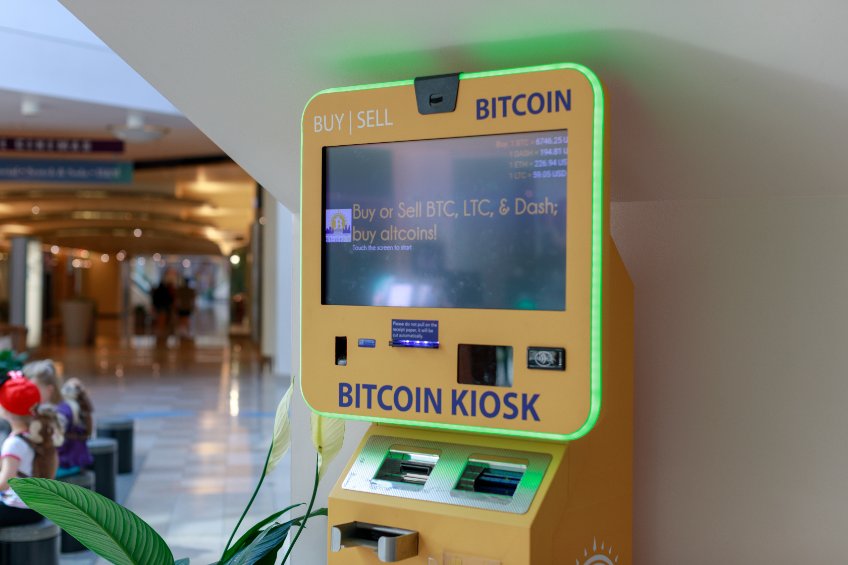
  • Zcash (ZEC) is fifth cryptocurrency coin Bitcoin of America offers at its crypto ATMs.
  • The company operates over 2,500 Bitcoin ATMs across the United States.
  • Coin ATM Radar data shows there are over 34,000 Bitcoin or crypto ATMs in the US.

ZCash, the decentralised cryptocurrency favoured by users for its privacy features, has been added to Bitcoin of America’s  Bitcoin ATMs across the United States.

The company, which operates more than 2,500 Bitcoin teller machines in the country, revealed this in an announcement on Wednesday.

The Bitcoin ATM firm noted that its customer demand has pushed it to add ZCash to the list of available cryptocurrencies.  The use of ZEC in transactions has apparently picked up, with the privacy coin now joining Bitcoin (BTC), Ethereum (ETH), Litecoin (LTC), and Bitcoin Cash (BTC).

For businesses looking to host a Bitcoin ATM with ZCash, the company offers to provide all the necessary support. That includes making it easy for interested parties to access the machines, it said in the announcement.

Benefits accrued for businesses include increased foot traffic, an opportunity to earn passive income, and overall marketing. Bitcoin of America takes care of all aspects of the BTMs, from maintenance to customer support.

US is home to thousands of crypto ATMs

According to Coin ATM Radar, there are over 34,200 Bitcoin ATMs or teller machines in the US, with Houston, Texas having over 1,200. Los Angeles, California has nearly 2,000 Bitcoin ATMs, while Miami has seen over 800 installations.

Bitcoin of America is the fourth largest crypto ATM operator in the US, statistics at Coin ATM Radar show. The operator currently accounts for 6.5% of the installed tellers, behind CoinFlip (11.2%), CoinCloud (17.4%) and Bitcoin Depot (19.9%).

The post ZCash (ZEC) now available at Bitcoin of America ATMs appeared first on CoinJournal.

KuCoin partners with Coinrule for automated trading

KuCoin, a Seychelles-based cryptocurrency exchange launched in 2017, has announced its partnership with one of the leading automated crypto assets trading platforms, Coinrule, to offer automated trading to its users.

According to KuCoin’s official announcement, Coinrule will allow its traders to trade cryptos on KuCoin using its platform API by integrating the KuCoin spot market data. Soon, more KuCoin products like futures trading and margin trading are also expected to be supported on the network.

While commenting on the partnership, KuCoin CEO, Johnny Lyu said:

“As the ‘People’s Exchange’, KuCoin is committed to easy-to-use trading tools for users to bring crypto to mass adoption. And the partnership with Coinrule is a big step towards this.”

Coinrule CEO and Founder, Gabriele Musella, was also excited about the partnership noting:

“At Coinrule, we are glad to see KuCoin joining our integration program. Our Users are eager to trade on KuCoin and to explore all the markets it provides.”

Embracing automated trading

KuCoin provides over 700 crypto assets trading which includes margin trading, futures trading, spot trading, staking, and P2P fiat trading. It also provides crypto assets lending to its 18 million users across 207 countries.

With the automated trading high-security mechanism, convenience, and comfort, crypto traders have also started to embrace it. It’s worth noting that KuCoin launched its Trading Bot Service back in 2021 to support five advanced trading strategies for users to gain passive income without monitoring the markets.

With this partnership, KuCoin will onboard more users that will promote trading strategies on the platform as well as lower the investment barriers for users.

The post KuCoin partners with Coinrule for automated trading appeared first on CoinJournal.

Pocket Network launches TriForce

Pocket Network, a Web3 app blockchain data ecosystem, has launched an initiative to sustain blockchain community growth called TriForce. 

It gives communities an incentive to fortify ties and be a part of Pocket Network’s growth trajectory, Coin Journal learned from a press release. 

The initiative will enable community members to sustain and grow blockchain traffic for their different ecosystems. This way, they will also help the network offer RPC services to highly decentralized crypto networks. 

Shards support community growth 

Each TriForce has three components, collectively referred to as shards. These components describe how each TriForce can benefit blockchain communities with individual expertise. 

Ultimately, the three-pronged support program will provide them with the tools to survive and thrive. The following areas are subject to involvement by blockchain communities: 

  • Business Development
  • Marketing
  • Technical Support

Pocket DAO will allocate funds to encourage eligible communities that want to use Pocket nodes to strengthen their blockchain ecosystems.

Pocket DAO will also allocate budgets for communities that qualify and reward members in proportion to their contributions to current incentives.

Shards help pursue shared goals 

Shards will have collective goals for the benefit of all ecosystems, even though each one will operate semi-independently. 

Pocket Network aims to provide quick support to as many blockchains as possible and has asked community members for commitment to fast-track this goal. 

Michael O’Rourke, CEO of Pocket Network, said: 

As the internet moves away from the top-down model synonymous with Web2, community-centric models for project management, treasury oversight, and key decision-making have risen to prominence. Pocket’s TriForce program aligns with this narrative, supporting the open discourse and grassroots engagement that is a mainstay of Web3.

Pocket Network expects blockchain communities to identify new network growth opportunities and take responsibility for developing new on-chain use cases as the TriForce program takes effect. 

The network aims to integrate 100 blockchains by the end of the year, up from 50 at the moment. 

About Pocket Network

Pocket Network is a platform built for applications that use cost-efficient economics to coordinate and distribute data at scale.

The post Pocket Network launches TriForce appeared first on CoinJournal.

American video gaming platform GameStop launches NFT marketplace

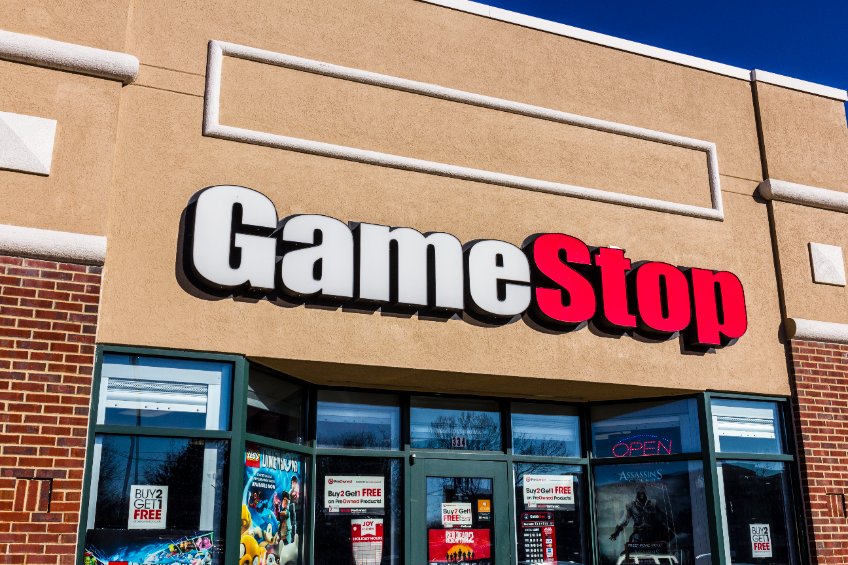
Leading American video gaming platform, GameStop on Monday launched its first NFT marketplace duped GameStop NFT. The market provides users with the opportunity to buy, sell, and trade NFT collections.

According to the press release, the NFT marketplace will also enable users to connect their digital wallets including the GameStop Wallet that was recently released. With time, GameStop also plans to expand the functionalities of the NFT marketplace to include Web3 games.

Commenting about the newly launched NFT marketplace, GameStop said:

“The Company’s NFT marketplace is a non-custodial, Ethereum Layer 2-based marketplace that enables parties to truly own their digital assets, which are represented and secured on the blockchain. Over time, the marketplace will expand functionality to encompass additional categories such as Web3 gaming, more creators, and other Ethereum environments.”

Projects currently available on GameStop NFT

In the meantime, the GameStop marketplace houses a variety of projects built on Ethereum mainnet and Loopring, a layer-2 scaling solution.

In essence, the video gaming company is aiming to also become a significant player in the NFT gaming industry. Besides digitized artworks, NFTs have also found their way into the gaming arena where they exist as vital interactive elements that gamers can use within the games and also trade on NFT marketplaces.

GameStop also recently hinted at integrating Immutable X, which is an Ethereum-based platform used by some NFT games. This comes months after the two (GameStop and Immutable X) announced a $100 million grant incentive for NFT creators.

The NFT marketplace is a significant milestone for the company since it comes at a time when the company has been battling with the falling crypto market that has forced it to lay off workers and even fire its CFO.

The post American video gaming platform GameStop launches NFT marketplace appeared first on CoinJournal.